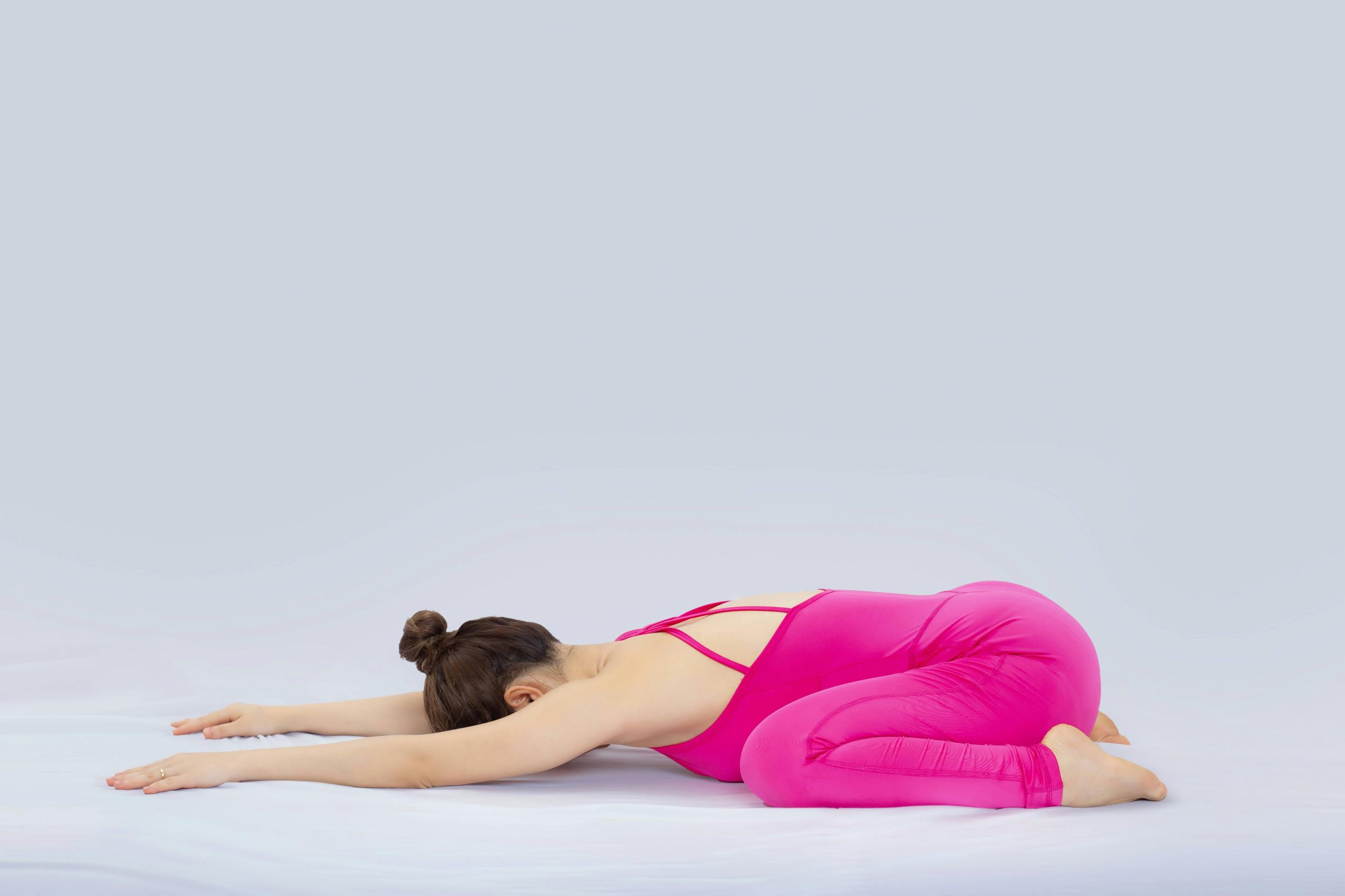

- Somatic stretching emphasizes mindful, gentle movements that focus on body awareness rather than pushing muscles to their limit.
- It aids recovery by releasing muscle tension, improving flexibility, and enhancing blood flow to fatigued areas.
- The practice helps reset the nervous system, reducing stiffness and promoting smoother movement after exercise.
- Regular somatic stretching can reduce post-workout soreness and prevent injuries caused by tight or overworked muscles.
- It strengthens the mind-body connection, helping you notice imbalances, improve posture, and enhance workout technique.
- Somatic stretching is versatile and beginner-friendly, suitable for post-workout sessions or rest days.
- Incorporating somatic stretching consistently supports faster recovery, better range of motion, and overall body wellness.
If you’re hitting the gym, going for long runs, or trying a new workout routine, you know that soreness and fatigue can slow you down. But what if there was a gentle, mindful way to help your body recover faster while also improving flexibility and body awareness? That’s where somatic stretching comes in. Unlike traditional stretching or static yoga poses, somatic stretching focuses on the mind-body connection, helping your muscles release tension while retraining them for smoother movement.
In this article, we’ll explore exactly how somatic stretching can enhance recovery, the techniques you can try at home, and why it works so well for post-workout care.
What Is Somatic Stretching and How Does It Differ from Traditional Stretching?
Somatic stretching is a form of movement therapy that emphasizes internal awareness and controlled, gentle motions. Unlike typical stretches where you pull a muscle to the point of tension, somatic stretching focuses on feeling the movement from within. It often involves slow contractions and releases, aiming to reset the nervous system and release chronic muscular tightness.
Key differences from traditional stretching include:
- Mindful focus: You’re paying attention to how each muscle feels, not just how far you can stretch.
- Gentle movement: Movements are slow, controlled, and often subtle.
- Neuromuscular retraining: Helps muscles “remember” how to move without tension.
- Chronic tension release: Targets areas that are habitually tight, even if they’re not sore from exercise.
By combining body awareness with movement, somatic stretching helps your muscles recover more efficiently, reduces post-workout soreness, and even improves long-term flexibility.
Why Post-Workout Recovery Matters
Exercise is essentially controlled stress on your body. While this stress is necessary to build strength, endurance, and mobility, it also causes microtears in muscle fibers and temporary inflammation. This is why soreness, stiffness, and fatigue can follow a good workout.
Recovering properly is crucial because:
- It reduces delayed-onset muscle soreness (DOMS).
- It prevents injuries caused by overworked or tight muscles.
- It improves performance in your next workout session.
- It helps maintain consistent motivation to stay active.
Somatic stretching targets recovery in a way that traditional cooldowns or foam rolling might not, because it addresses both physical tension and neurological patterns that contribute to tightness.
How Does Somatic Stretching Aid Recovery?
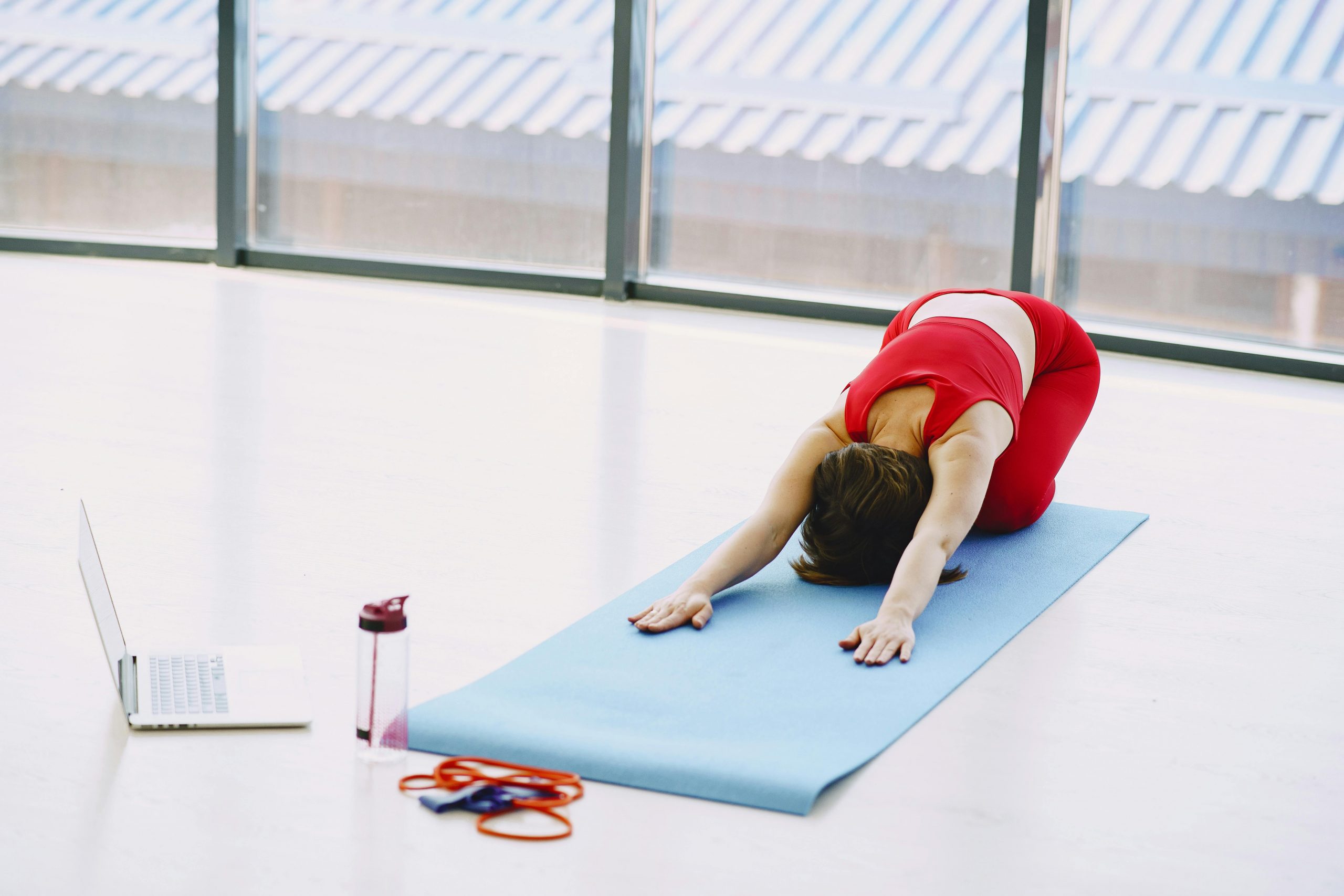
You might be wondering, how exactly does somatic stretching speed up recovery? The benefits come from a combination of muscular, neurological, and psychological effects.
1. Muscle Release and Flexibility
Somatic stretching allows muscles to lengthen gently and release tension without overstretching. This helps blood flow improve, bringing oxygen and nutrients to fatigued muscles and flushing out waste products like lactic acid.
2. Nervous System Reset
After intense exercise, your nervous system can stay in a state of tension. Somatic stretching helps retrain your nerves to allow muscles to relax naturally, which reduces stiffness and promotes smoother movement.
3. Reduced Pain and Soreness
By targeting chronic muscle tightness, somatic stretching can decrease the severity of post-exercise soreness, allowing you to move more comfortably the day after your workout.
4. Enhanced Mind-Body Connection
When you focus on how your muscles feel during stretching, you increase awareness of imbalances or tension patterns. This can help you correct your posture and technique in future workouts, further reducing the risk of injury.
When Should You Do Somatic Stretching?
Somatic stretching is versatile and can be used both immediately after a workout or on rest days. Here’s a breakdown of timing:
Post-Workout:
- Helps calm the nervous system.
- Reduces immediate muscle tension.
- Enhances blood flow to fatigued areas.
On Rest Days:
- Improves long-term flexibility.
- Releases chronic tension from repetitive activities.
- Encourages mindful recovery and relaxation.
Essential Somatic Stretching Techniques for Recovery
Here are some simple somatic stretching exercises to help your body recover faster. Focus on slow, controlled movements and listen to how your muscles respond.
1. Spinal Wave Stretch
- Sit or stand tall.
- Inhale and gently arch your spine backward, feeling the stretch along your back.
- Exhale and round forward, articulating each vertebra slowly.
- Repeat 5–8 times.
- Benefits: Releases tension in the spine and improves posture.
2. Hamstring Release
- Lie on your back with legs extended.
- Bend one knee and slowly bring it toward your chest.
- Flex and point your foot gently, noticing any tight spots.
- Slowly lower the leg and switch sides.
- Benefits: Reduces hamstring tightness and post-workout stiffness.
3. Pelvic Tilt and Release
- Lie on your back with knees bent, feet flat on the floor.
- Inhale and gently tilt your pelvis backward, pressing your lower back into the floor.
- Exhale and release, letting your pelvis return to neutral.
- Repeat 10 times, moving slowly and deliberately.
- Benefits: Releases tension in the lower back and hips.
4. Shoulder and Upper Back Sweep
- Sit or stand with arms at your sides.
- Slowly lift your shoulders toward your ears, then roll them backward and down.
- Focus on each segment of your shoulder and upper back.
- Repeat 8–10 times.
- Benefits: Eases tight shoulders and improves upper body mobility.
5. Full-Body Cat-Cow
- Start on all fours.
- Inhale, arch your back (cow), lifting your chest and tailbone.
- Exhale, round your back (cat), drawing your belly button in.
- Move slowly, sensing each vertebra.
- Repeat 10–12 times.
- Benefits: Enhances spinal flexibility and calms the nervous system.
How to Make Somatic Stretching Part of Your Recovery Routine
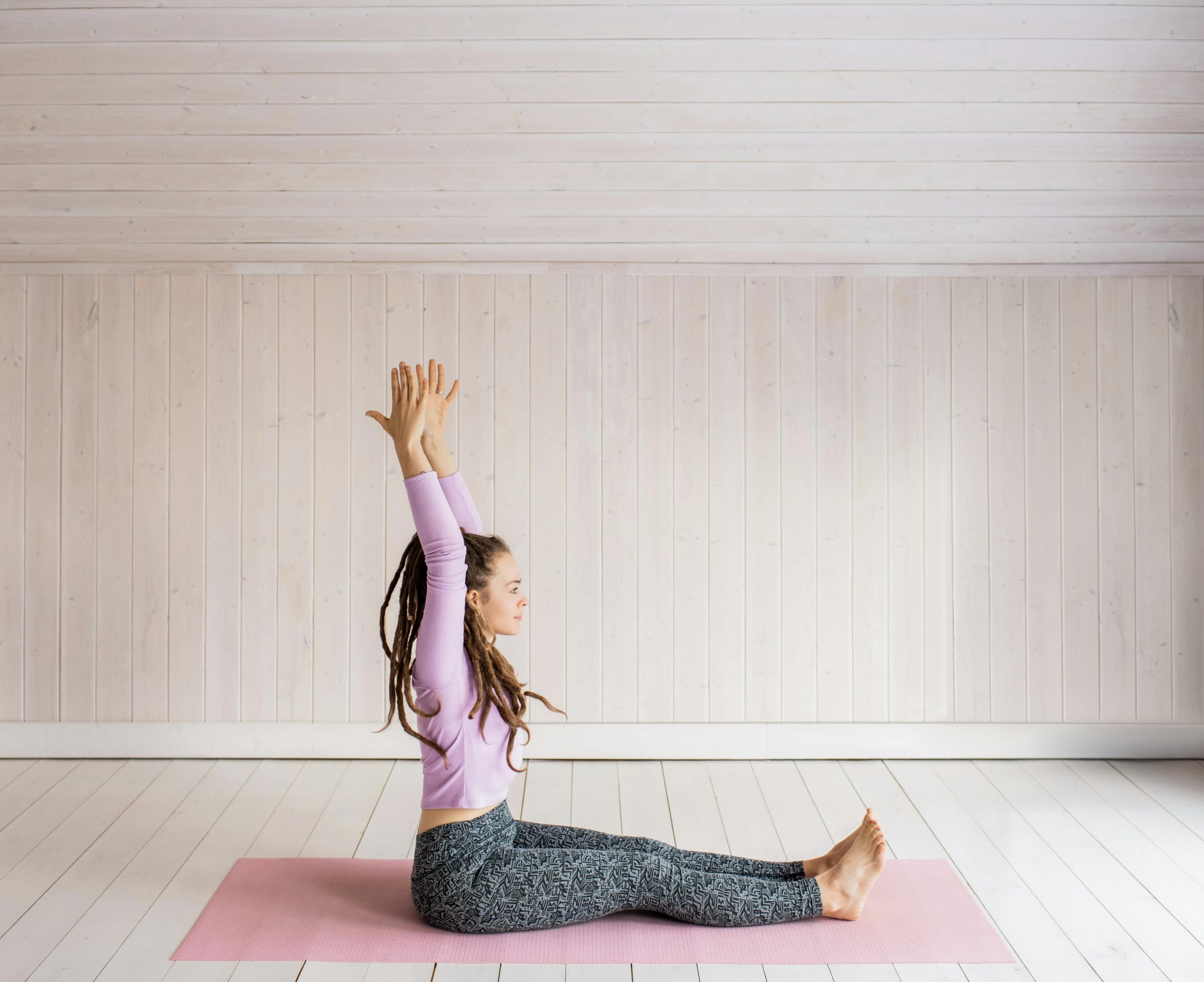
Consistency is key when it comes to somatic stretching. Here’s how to build it into your post-workout routine:
1. Start Small
- Dedicate 5–10 minutes after each workout to gentle somatic stretching.
- Focus on one or two tight areas if short on time.
- If your goals include fat loss, incorporating somatic exercises for weight loss alongside these stretches can help you burn calories while supporting recovery.
2. Combine With Other Recovery Tools
- Pair somatic stretching with foam rolling or massage for deeper muscle release.
- Use hydration, proper nutrition, and rest for optimal results.
3. Practice Mindful Breathing
- Breathe deeply during each stretch.
- Inhale to prepare, exhale to release tension.
4. Track Your Progress
- Notice improvements in flexibility, reduced soreness, and better posture.
- Adjust stretches based on areas that feel tight or fatigued.
Common Questions About Somatic Stretching for Recovery
Does somatic stretching help with delayed-onset muscle soreness (DOMS)?
Yes. By gently releasing muscle tension and improving blood flow, somatic stretching can reduce the intensity and duration of DOMS.
Can I do somatic stretching every day?
Absolutely. Somatic stretching is gentle enough for daily practice and can be especially beneficial on rest or active recovery days.
Do I need any equipment for somatic stretching?
Most exercises only require your body and a comfortable surface. Some stretches can be enhanced with a yoga mat, foam roller, or small resistance band.
Is somatic stretching suitable for beginners?
Yes. Because it’s low-impact and focused on internal awareness, somatic stretching is beginner-friendly and can be adapted to all fitness levels.
Benefits You’ll Notice With Regular Somatic Stretching
By consistently incorporating somatic stretching into your recovery routine, you can expect:
- Faster recovery after workouts.
- Reduced muscle stiffness and soreness.
- Better range of motion and flexibility.
- Improved posture and body alignment.
- Increased body awareness and mind-body connection.
Tips for Maximizing Recovery With Somatic Stretching
- Be patient: Focus on quality, slow movements rather than speed or intensity.
- Listen to your body: Avoid forcing movements; discomfort is fine, pain is not.
- Integrate with lifestyle habits: Proper sleep, nutrition, and hydration enhance recovery benefits.
- Combine with other gentle practices: Yoga, tai chi, or mindful walking complement somatic stretching.
Final Thoughts: Recover Smarter, Not Harder
Exercise is important, but recovery is just as critical for long-term results. Somatic stretching offers a gentle, mindful approach to releasing muscle tension, improving flexibility, and reducing soreness. By incorporating these techniques into your routine, you can move better, recover faster, and feel more energized for your next workout.
Start small, focus on slow, deliberate movements, and pay attention to how your body responds. Over time, somatic stretching can become a cornerstone of your post-workout recovery, helping you stay consistent, injury-free, and ready for every fitness challenge.