
For years, people have felt forced to choose between two worlds: conventional healthcare and natural wellness. On one side, you have lab tests, prescriptions, and evidence-based protocols. On the other hand, you have nutrition, movement, stress reduction, and lifestyle-centered healing. The truth is, your body doesn’t recognize these as separate systems. It responds to all of it.
When you blend structured medical care with intentional self-care, you create something far more powerful than either approach alone. You gain data and diagnostics alongside daily habits that strengthen resilience. You address symptoms while also improving root causes. And perhaps most importantly, you stop reacting to problems and start preventing them.
Integrating these approaches doesn’t require abandoning science or blindly trusting trends. It requires thoughtful coordination, curiosity, and a willingness to see your health as a long-term project. The sections that follow will walk you through exactly how to do that—practically, safely, and sustainably.
Start With a Comprehensive Health Baseline

Before experimenting with supplements, detox plans, or new therapies, build your foundation. That foundation begins with objective data.
An appointment with a provider trained in internal medicine offers more than a routine checkup. It provides a comprehensive look at how your body is functioning beneath the surface. Blood panels, metabolic markers, thyroid levels, cholesterol, and inflammatory markers—these are not obstacles to holistic living. They are guideposts.
Many people walk into a doctor office only when something feels wrong. But preventive integration works best when you start before a crisis. Think of it this way: if you plan to train for a marathon, you wouldn’t skip measuring your starting pace and endurance. Your health deserves the same baseline assessment.
Here’s how to approach this step intentionally:
- Schedule a full annual physical with expanded labs, not just basic vitals.
- Ask questions about nutrient deficiencies, hormone balance, and cardiovascular risk.
- Share any supplements or alternative therapies you’re already using.
- Request copies of your results so you can track trends over time.
This baseline does two critical things. First, it identifies issues that require medical supervision. Second, it helps you personalize holistic strategies instead of guessing.
For example, someone experiencing fatigue might assume stress is the only culprit. But lab work could reveal low iron or thyroid imbalance. Addressing those medically while improving sleep and nutrition creates synergy rather than conflict.
When modern diagnostics guide your wellness choices, you move from trial-and-error to informed action.
Use Structured Movement to Support Circulation and Pain Relief
Movement is one of the most underutilized bridges between clinical care and holistic living. It strengthens nearly every system in the body: cardiovascular, metabolic, musculoskeletal, and even mental health.
If you’re dealing with joint stiffness or chronic back pain, high-impact workouts may do more harm than good. This is where low-impact conditioning becomes invaluable. An elliptical machine, for example, provides steady cardiovascular training without the jarring force of running. It allows you to elevate heart rate, improve circulation, and strengthen lower-body muscles while protecting the spine and knees.
But simply stepping onto a machine isn’t enough. Intention matters.
A smart structure might look like this:
- Begin with five minutes of dynamic mobility work, focusing on the hips and thoracic spine.
- Maintain an upright posture while using the elliptical, engaging your core rather than leaning forward.
- Keep resistance moderate and prioritize consistency over intensity.
- Finish with targeted strengthening for glutes and deep abdominal muscles.
Strengthening these stabilizers often reduces back pain more effectively than stretching alone. Weak glutes and poor core activation frequently overload the lumbar spine. When you correct that imbalance, pain often decreases.
If you’re recovering from injury, coordinate with a physical therapist or physician before increasing intensity. Movement should feel challenging but controlled, not sharp or destabilizing.
Structured exercise becomes holistic when it is purposeful, progressive, and aligned with your body’s needs—not driven by punishment or extreme goals.
Address Circulation Concerns Before They Derail Progress

You can eat well and exercise consistently, yet still feel heaviness in your legs, swelling after long days, or visible vascular changes. Circulation plays a critical role in energy, recovery, and comfort.
Many people attempt to manage these issues with compression socks, herbal supplements, or leg elevation alone. While these can help, persistent symptoms sometimes signal the need for clinical evaluation. In certain cases, professional vein treatment becomes part of a comprehensive plan.
That doesn’t mean abandoning holistic habits. It means recognizing that structural issues may require structural solutions.
A problem-solution mindset helps here:
Problem: Leg fatigue and swelling after prolonged sitting.
Solution: Combine hourly movement breaks with a medical assessment if symptoms persist.
Problem: Visible bulging veins accompanied by discomfort.
Solution: Improve hydration and circulation through walking, but also consult a specialist to determine whether procedural intervention is appropriate.
Improving circulation often enhances overall wellness. Better blood flow supports muscle recovery, nutrient delivery, and reduced inflammation. When medical procedures are paired with daily walking, strength training, and anti-inflammatory nutrition, outcomes are typically stronger than either approach alone.
The key is not to delay evaluation out of fear that seeking medical input undermines a holistic lifestyle. In reality, it can protect it.
Support Nutrient Absorption and Energy Levels Strategically
Fatigue is one of the most common complaints in modern life. Many people respond by adding supplements impulsively: more B vitamins, more magnesium, more herbal blends. Sometimes that works. Sometimes it creates an imbalance.
The smarter approach begins with testing. If labs reveal significant deficiencies or absorption challenges, targeted interventions may be necessary. In specific clinical scenarios, IV therapy can rapidly replenish nutrients when oral supplementation proves insufficient.
However, this option should be used thoughtfully. Questions to ask before pursuing infusion treatments include:
- What deficiency are we correcting?
- Is there laboratory confirmation?
- What is the long-term plan once levels normalize?
Infusions can be helpful during acute depletion or certain medical conditions. But they are not a substitute for daily habits. Long-term energy still depends on:
- Balanced macronutrients with adequate protein.
- Consistent sleep cycles.
- Stress management.
- Gut health support.
Think of nutrient support as layered. Food forms the base. Oral supplementation fine-tunes. Medical intervention addresses gaps when necessary.
When you combine objective lab results with practical lifestyle improvements, energy becomes sustainable rather than artificially boosted.
Build Sustainable Weight Management With Medical Guidance

Weight management often sits at the crossroads of frustration and misinformation. Extreme dieting, excessive cardio, and social media trends promise quick results. Yet most people regain lost weight because foundational behaviors never stabilize.
In some cases, a medically supervised weight loss service provides structure, accountability, and evaluation for underlying metabolic concerns. Hormonal imbalance, insulin resistance, or thyroid dysfunction can significantly affect progress. Addressing those medically while adjusting diet and activity can shift outcomes dramatically.
But medical programs are most effective when paired with daily lifestyle shifts.
Consider this layered strategy:
First, stabilize blood sugar by prioritizing protein and fiber at each meal.
Second, incorporate resistance training two to three times weekly to preserve muscle mass.
Third, use moderate cardiovascular sessions for heart health rather than extreme calorie burn.
Fourth, evaluate stress levels, since chronic cortisol elevation often impedes fat loss.
A woman in her forties might follow strict calorie restriction yet see little change. After evaluation, she learns that hormonal shifts are influencing her metabolism. With clinical oversight and improved strength training, her body begins responding differently.
Holistic and medical strategies reinforce each other when weight management is treated as metabolic health—not a cosmetic race.
Restore Hormonal Balance and Intimacy Through Integrated Care
Hormonal health influences mood, energy, metabolism, and sexual wellness. Yet many people hesitate to discuss these concerns openly.
Stress, poor sleep, nutrient deficiencies, and chronic inflammation all disrupt hormonal balance. Addressing these through lifestyle improvements is essential. But sometimes testing reveals deeper imbalances that require medical treatment.
An integrated approach might include:
- Evaluating hormone levels through lab work.
- Improving sleep consistency and reducing blue light exposure.
- Strength training to support natural hormone production.
- Managing stress through breathwork or therapy.
When hormonal support is needed medically, pairing it with holistic strategies enhances stability. For example, stress reduction lowers cortisol, which in turn supports reproductive and thyroid function.
Intimacy concerns are rarely isolated problems. They reflect systemic health. By addressing both physiology and daily habits, you create conditions where sexual wellness improves organically rather than temporarily.
Integration here requires openness. Honest conversations with healthcare providers, combined with consistent lifestyle care, lead to bigger and more sustainable change.
Design Intentional Recovery Rituals That Reduce Stress
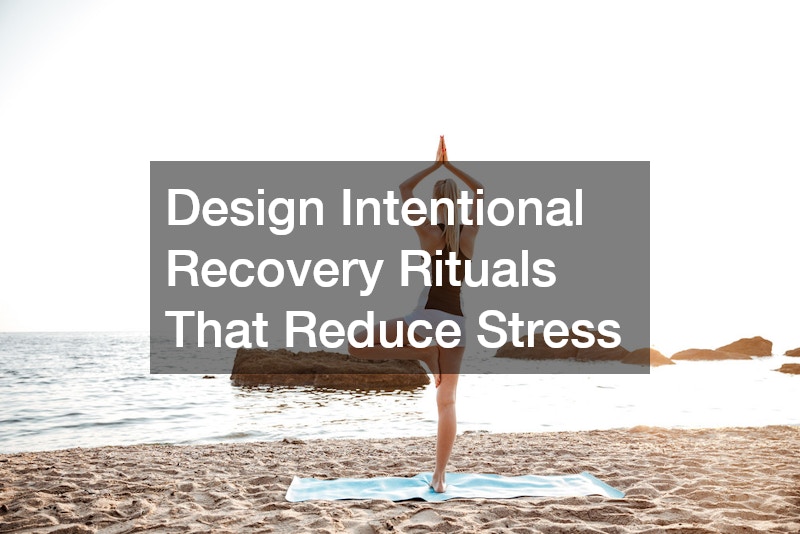
Modern life normalizes chronic stress. Yet persistent stress hormones disrupt sleep, digestion, immune resilience, and cardiovascular health.
Recovery must be scheduled—not squeezed in when convenient.
Some people benefit from structured relaxation experiences, such as massage or hydrotherapy at a day spa. These experiences can lower muscle tension and shift the nervous system from fight-or-flight to rest-and-digest mode. When incorporated responsibly, they complement medical care rather than replace it.
But recovery doesn’t require luxury. At-home rituals matter just as much:
- A consistent wind-down routine before bed.
- Screen-free time in the evening.
- Gentle stretching or breathwork after workouts.
- Periodic mental health check-ins.
Think of stress reduction as maintenance, not indulgence. If you are undergoing medical treatment for hypertension or chronic pain, lowering stress amplifies those therapies.
One executive I worked with scheduled 15 minutes of daily quiet time before checking email. Over months, his blood pressure readings improved alongside prescribed treatment. Small habits accumulate.
Intentional recovery is not passive. It is a proactive investment in physiological balance.
Create a Preventive Care Plan That Evolves With Age
Holistic health is often misunderstood as alternative or purely natural. In reality, it means considering the entire person—physical, emotional, and environmental—while using every appropriate tool available.
Preventive care changes across decades. In your twenties, the focus may be on establishing healthy routines. In your forties and fifties, screenings and metabolic monitoring become more prominent. Ignoring recommended diagnostics in the name of natural living undermines long-term vitality.
A thoughtful preventive plan includes:
- Age-appropriate screenings and lab work.
- Nutritional adjustments that match changing metabolism.
- Regular strength training to preserve bone density.
- Cardiovascular conditioning to support heart health.
- Periodic reassessment of stress and recovery habits.
Holistic health integrates mindfulness, movement, nutrition, and evidence-based screening. It is not static. It adapts as your body evolves.
Every few months, perform a personal audit. How is your sleep? Energy? Mood? Training consistency? Preventive care works best when it is continuous, not reactive.
When medical insights and lifestyle awareness evolve together, aging becomes proactive rather than defensive.
Coordinate Providers So Your Plan Stays Cohesive

One of the biggest challenges in blending approaches is fragmentation. You may see a primary physician, a therapist, a trainer, and perhaps a nutrition professional. If they don’t communicate, gaps appear.
Take ownership of your coordination.
Keep a current list of:
- Medications and dosages.
- Supplements and herbs.
- Recent lab results.
- Procedures or therapies received.
Share this information openly with each provider. Certain herbs can interact with prescriptions. Some supplements may influence lab markers. Transparency protects you.
If recommendations conflict, ask clarifying questions rather than choosing sides. Often, misunderstandings arise from incomplete information.
Integrated care works when everyone involved understands the broader picture. You are the central hub of that system.
A Balanced Path Forward
You do not have to choose between modern medicine and holistic living. The most resilient approach draws from both. Diagnostics provide clarity. Lifestyle habits build resilience. Medical interventions address structural or biochemical imbalances. Stress management and movement sustain progress.
The goal is not perfection. It is alignment.
Start with data. Add intentional habits. Seek support when necessary. Reassess periodically. Over time, this layered approach creates stability that quick fixes cannot.
Your health is not a trend. It is a lifelong partnership between informed decisions and daily action.
True integration also requires patience. Results from balanced, coordinated care often unfold gradually rather than dramatically. You might notice steadier energy instead of sudden bursts, improved lab markers over months rather than weeks, or reduced pain that fades quietly instead of disappearing overnight. Those subtle improvements are signs that systems are stabilizing.
Stay curious about your body’s signals. Track progress, ask thoughtful questions, and remain open to adjustment. When you treat health as an evolving process rather than a quick destination, the combination of structured medicine and intentional living becomes not just effective—but sustainable for decades to come.