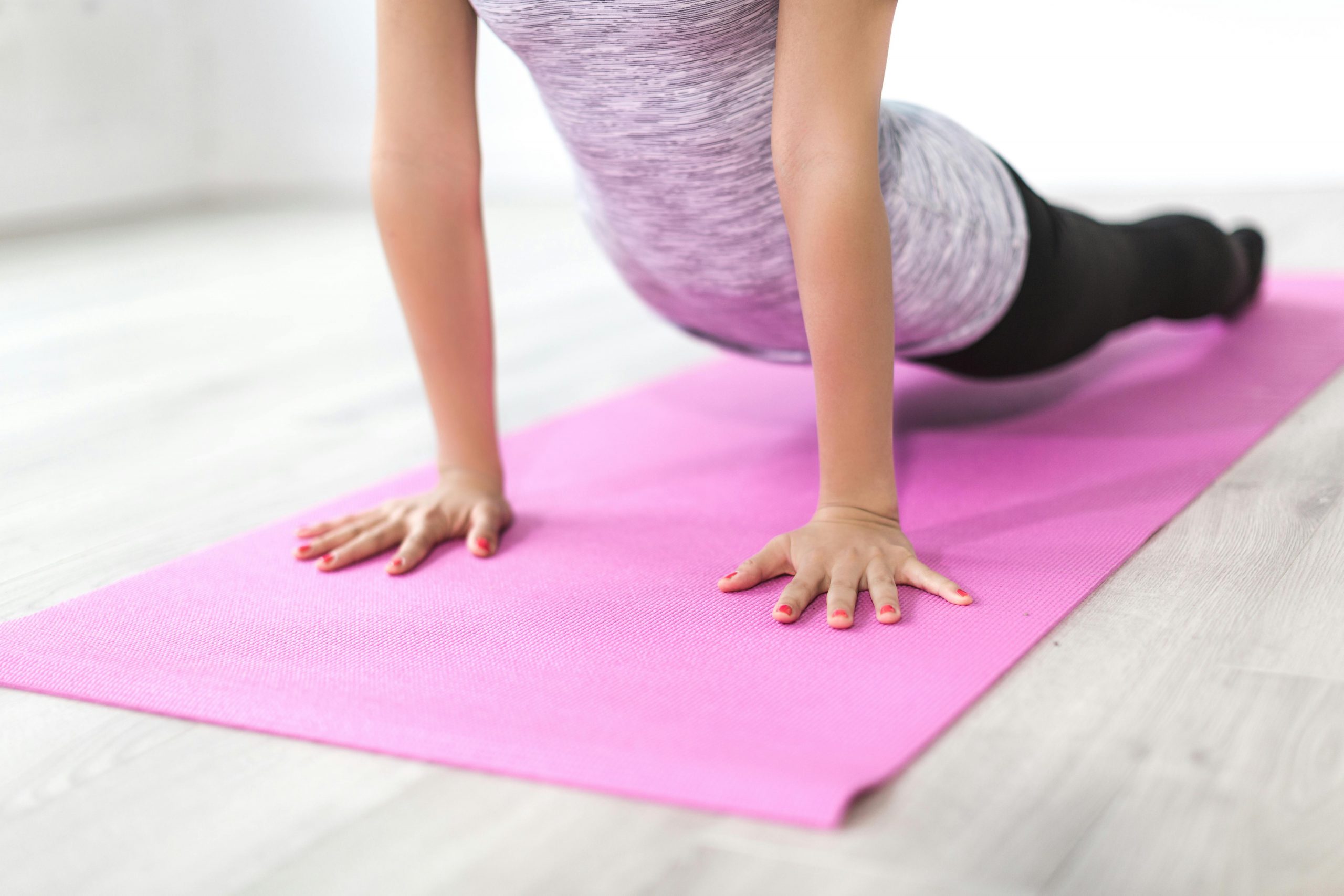

- Somatic exercises focus on mindful movement and body awareness, helping engage deep muscles often neglected in regular workouts.
- They improve posture, flexibility, and alignment, which supports more efficient movement and calorie burn.
- These exercises are gentle, low-impact, and safe for beginners, including those with injuries or joint limitations.
- A consistent routine of 15–30 minutes daily or 3–5 times per week can support sustainable weight loss and overall wellness.
- Somatic exercises work best when combined with healthy habits like a balanced diet, cardio, and strength training rather than replacing them entirely.
- Mindful breathing, slow controlled movements, and focus on muscle engagement make somatic exercises effective for stress reduction and long-term results.
Losing weight doesn’t always have to mean long hours at the gym or intense cardio sessions. Somatic exercises offer a different approach—they focus on mindful movement, body awareness, and gentle muscle engagement. These exercises not only help tone your body but also improve posture, reduce tension, and support sustainable weight loss. Best of all, you can do them right at home, no fancy equipment needed.
In this article, we’ll explore 10 somatic exercises for weight loss that you can easily incorporate into your daily routine. Each exercise emphasizes slow, intentional movement to help your body release tension and improve function while supporting your weight loss goals.
What Are Somatic Exercises and Why Do They Work for Weight Loss?
Somatic exercises are all about reconnecting your mind and body. Unlike traditional workouts, which often prioritize speed or intensity, somatic movement focuses on how your body feels and moves. The benefits for weight loss come from several key areas:
- Improved muscle tone: Gentle contractions and controlled movements engage deep muscles that are often neglected in regular exercise.
- Better posture and alignment: Correct alignment helps your body move more efficiently, burning calories more effectively.
- Reduced stress: Mindful movement lowers cortisol levels, which can help prevent weight gain associated with stress.
- Enhanced body awareness: Knowing how your body moves makes other forms of exercise more effective.
By practicing somatic exercises consistently, you can increase calorie burn, improve flexibility, and support overall body wellness.
How Do Somatic Exercises Differ From Regular Workouts?
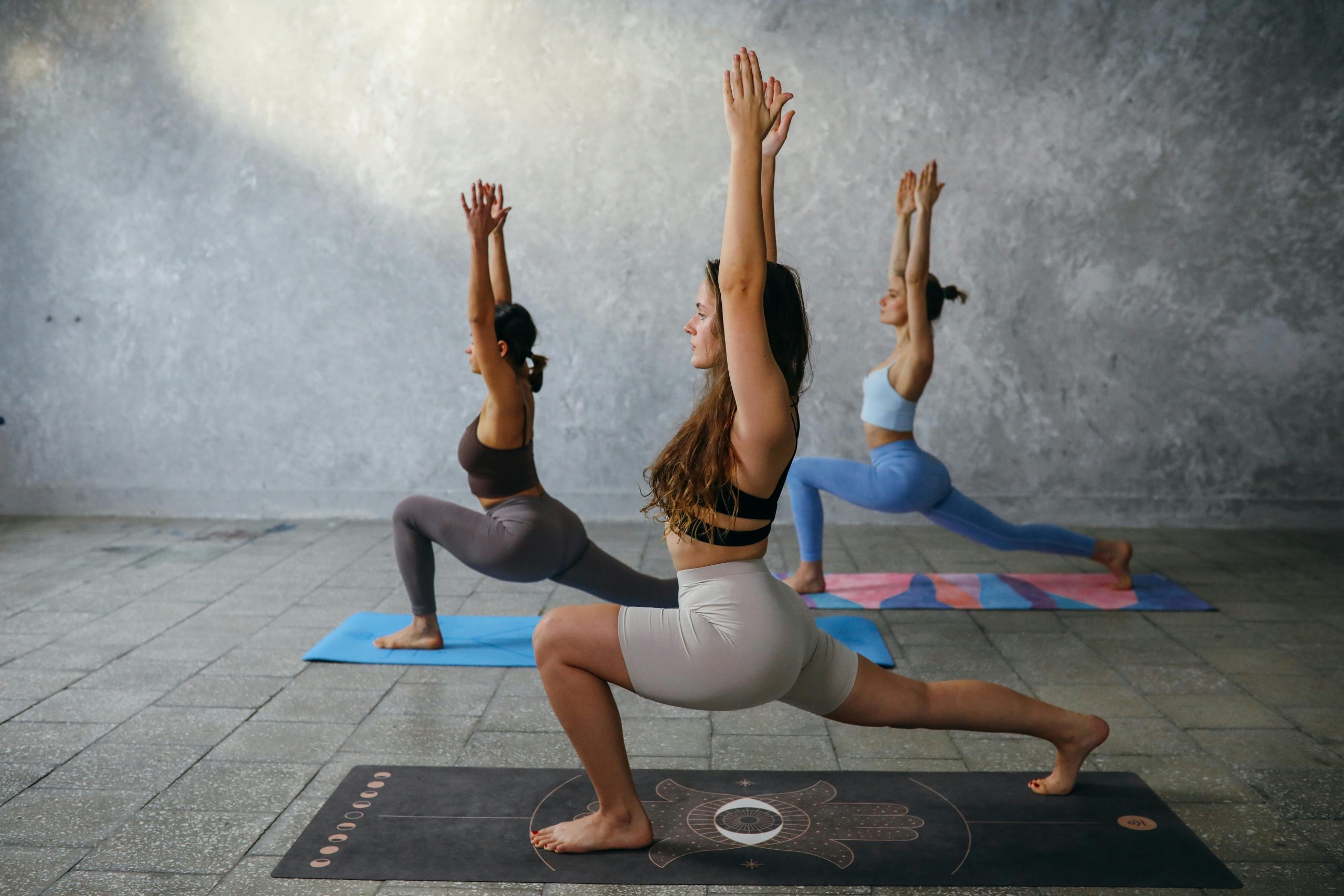
Traditional workouts often focus on repetitive movements and external goals, like lifting a certain weight or running a certain distance. Somatic exercises focus on:
- Internal sensation: Feeling the muscles lengthen and contract.
- Slow, controlled movements: Reducing the risk of injury and improving body awareness.
- Mind-body connection: Engaging the nervous system to relax tension and improve mobility.
This approach not only helps with weight loss but also prevents chronic tension and stiffness, making it perfect for people who want sustainable, long-term results.
1. Pelvic Tilts for Core Engagement
Why it works: Pelvic tilts target the lower abdomen and help activate the deep core muscles that support posture and movement.
How to do it:
- Lie on your back with knees bent and feet flat on the floor.
- Inhale deeply, then exhale while tilting your pelvis slightly upward, pressing your lower back into the floor.
- Hold for a few seconds, then relax.
- Repeat 10–15 times.
Tip: Move slowly and focus on feeling the engagement in your lower abs.
2. Cat-Cow Flow for Spinal Mobility
Why it works: The cat-cow sequence loosens the spine, stimulates core muscles, and promotes fluid movement, all of which help burn calories more efficiently.
How to do it:
- Start on all fours, wrists under shoulders and knees under hips.
- Inhale and arch your back, lifting your chest and tailbone (cow).
- Exhale and round your spine, tucking your chin and tailbone (cat).
- Repeat 8–12 times.
Tip: Focus on your breath and let each movement flow naturally with it.
3. Shoulder Rolls to Release Tension
Why it works: Tension in the shoulders and upper back can hinder movement. Shoulder rolls open these areas, allowing for better posture and calorie-burning motion.
How to do it:
- Sit or stand tall.
- Lift your shoulders toward your ears, roll them back, and then down.
- Repeat 10 times, then reverse direction.
Tip: Slow, controlled rolls are better than fast, jerky movements.
4. Spinal Waves for Full-Body Activation
Why it works: Spinal waves engage multiple muscle groups, improve flexibility, and increase circulation, which supports weight loss.
How to do it:
- Stand with feet hip-width apart, knees slightly bent.
- Slowly roll down from your head to your tailbone, letting each vertebra articulate.
- Roll back up slowly, stacking your spine one vertebra at a time.
- Repeat 5–10 times.
Tip: Focus on smooth, continuous movement to maximize the stretch.
5. Seated Torso Twists for Oblique Strength
Why it works: Twisting motions target the oblique muscles and improve rotational mobility, helping burn fat around the midsection.
How to do it:
- Sit on a chair with feet flat on the floor.
- Place your hands on your shoulders or extend them in front.
- Inhale and twist your torso to the right, then exhale and return to center.
- Repeat on the left side. Perform 8–12 twists per side.
Tip: Move slowly and avoid forcing the twist; the goal is mindful engagement.
6. Hamstring Slides for Lower Body Strength
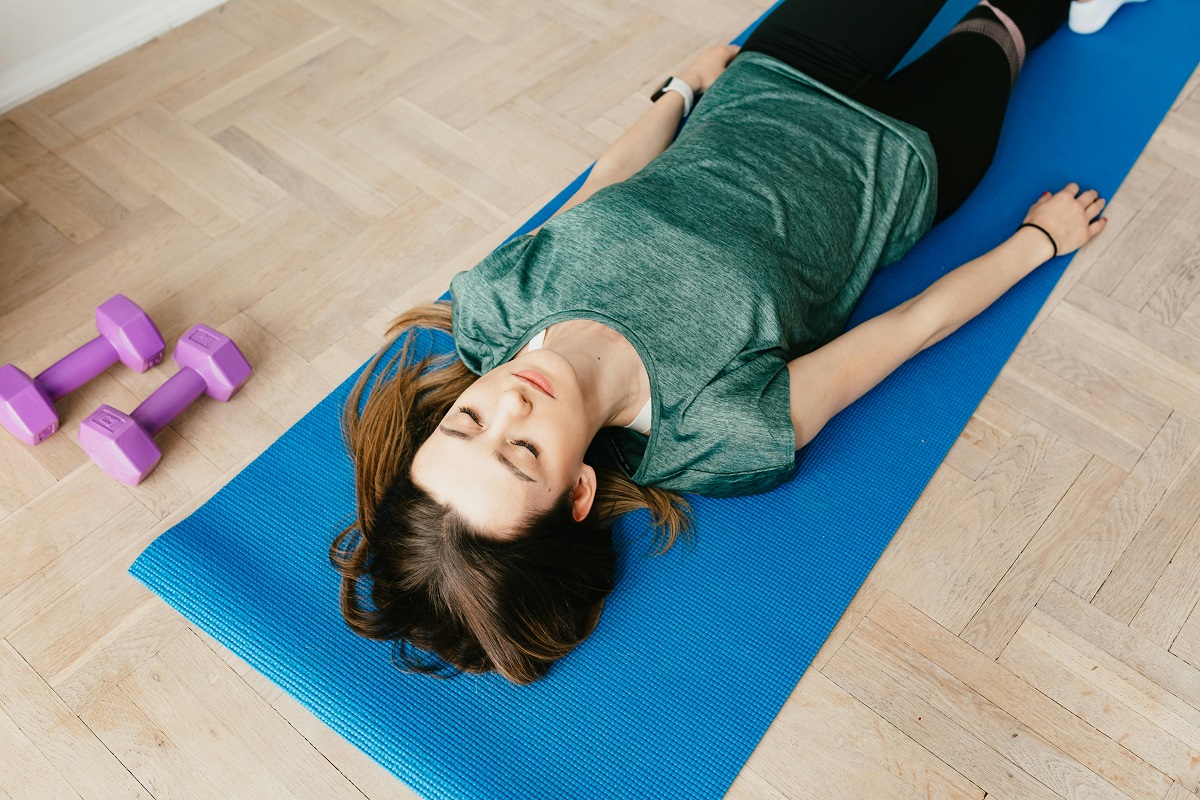
Why it works: Hamstring slides engage your legs and glutes while improving flexibility and posture, supporting calorie burn.
How to do it:
- Lie on your back with legs bent, feet on the floor.
- Slowly slide one heel away from your body, keeping the foot in contact with the floor.
- Bring it back and switch sides.
- Repeat 8–10 times per leg.
Tip: Focus on controlled movement rather than speed.
7. Arm Circles for Upper Body Tone
Why it works: Slow arm circles activate shoulders, arms, and upper back muscles, improving circulation and burning calories.
How to do it:
- Stand or sit tall with arms extended to the sides.
- Slowly make small circles, gradually increasing the size.
- Do 10 circles forward, then 10 backward.
Tip: Keep movements fluid and consistent for maximum benefit.
8. Standing Side Bends for Core Flexibility
Why it works: Side bends engage the obliques and lengthen the muscles along your torso, promoting better posture and calorie burn.
How to do it:
- Stand with feet hip-width apart.
- Inhale and raise your right arm overhead, exhale and bend to the left.
- Return to center and repeat on the other side.
- Perform 8–12 bends per side.
Tip: Avoid collapsing the torso—lengthen as you bend.
9. Heel Raises for Calf Strength and Balance
Why it works: Heel raises strengthen your calves and improve balance, which helps with daily movement and overall calorie burn.
How to do it:
- Stand with feet hip-width apart.
- Slowly rise onto your toes, hold for a few seconds, then lower down.
- Repeat 12–15 times.
Tip: Move slowly and focus on feeling the muscles engage with each lift.
10. Breath-Based Movements for Whole-Body Activation
Why it works: Coordinating breath with movement improves oxygen flow, reduces stress, and enhances energy expenditure.
How to do it:
- Inhale and expand your chest, lifting your arms overhead.
- Exhale and slowly lower your arms while bending slightly at the knees.
- Repeat 8–10 times.
Tip: Focus on deep, controlled breaths to maximize the nervous system benefits.
How Often Should You Practice Somatic Exercises for Weight Loss?
Consistency is key. Aim for 15–30 minutes daily or at least 3–5 times a week. Start slowly, listen to your body, and gradually increase the duration and intensity. Unlike high-impact workouts, somatic exercises prioritize control and alignment, making them sustainable for long-term weight management.
Can Somatic Exercises Replace Cardio and Strength Training?
While somatic exercises support weight loss, they are most effective when combined with other healthy habits:
- Balanced diet: Proper nutrition fuels your body and aids fat loss.
- Cardiovascular activity: Walking, jogging, or cycling helps burn extra calories.
- Strength training: Building muscle increases your resting metabolism.
- Mindfulness practices: Yoga, meditation, or breathing exercises complement somatic movement.
Think of somatic exercises as a foundational layer for sustainable weight loss rather than a replacement for all other exercises.
How Long Does It Take to See Weight Loss Results With Somatic Exercises?
The speed of results depends on your overall lifestyle, including diet, other physical activity, and consistency. Some people notice improvements in posture, flexibility, and muscle tone within just a few weeks. Visible weight loss may take longer—typically 4–8 weeks of consistent practice combined with healthy eating habits.
Tips to speed up results:
- Pair somatic exercises with light cardio or walking.
- Maintain a balanced diet with plenty of protein and vegetables.
- Track your progress through body measurements or photos rather than relying solely on the scale.
Remember, the key with somatic exercises is sustainable, long-term results, not rapid weight loss.
Are Somatic Exercises Safe for Beginners or People With Injuries?
Yes! Somatic exercises are gentle, low-impact, and adaptable, making them suitable for most people, including beginners and those recovering from injuries. The focus on slow, controlled movements reduces the risk of strain and supports proper alignment.
Precautions to keep in mind:
- Start slowly and avoid pushing into pain.
- Modify exercises as needed to accommodate mobility limitations.
- Consult a healthcare provider if you have serious injuries or chronic conditions before starting a new exercise routine.
- Use supportive surfaces, like a yoga mat or padded floor, to avoid pressure on joints.
These exercises are particularly beneficial for people with back pain, neck tension, or joint stiffness, helping to gradually restore mobility and strength without high-impact stress.
Tips for Getting the Most Out of Somatic Exercises
- Move slowly and deliberately; quality beats quantity.
- Focus on sensations in your muscles rather than completing a set number.
- Use a mirror or video yourself to check alignment.
- Pair movements with deep breathing for added nervous system benefits.
- Listen to your body—avoid forcing motions or holding tension.
Wrapping It Up
Somatic exercises for weight loss offer a gentle yet effective way to tone your body, improve posture, and boost your overall well-being. By focusing on mindful movement and body awareness, you not only support fat loss but also create a sustainable, enjoyable exercise routine.
Start incorporating these 10 exercises into your daily routine, and you’ll notice improvements in flexibility, strength, and even stress levels. Remember, slow and intentional movement is just as powerful as intense workouts when it comes to achieving long-term results.