Major life changes—whether planned or unexpected—can quietly upend both physical health and emotional stability. A medical diagnosis, relationship shift, financial pressure, or caregiving responsibility doesn’t just affect one area of life; it often ripples through sleep, posture, eating habits, motivation, and self-confidence all at once.
Many people try to “push through” these transitions, focusing on logistics while ignoring the toll on their bodies and minds. Over time, that approach can lead to chronic tension, burnout, and declining health. Managing change well isn’t about controlling everything—it’s about building systems that protect your well-being while life feels uncertain.
This article explores practical, actionable ways to support both physical and mental health during major transitions, helping you stay grounded, functional, and resilient even when circumstances feel unstable.
Reducing Physical Tension When Stress Becomes Chronic
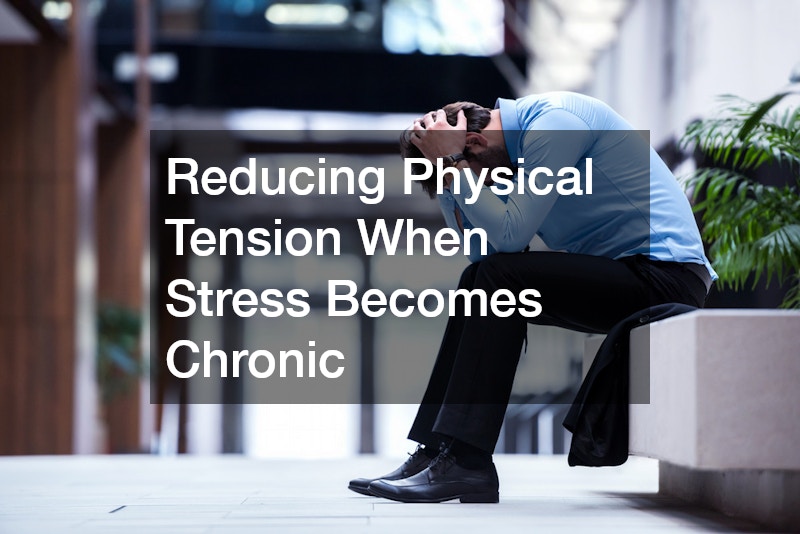
Stress is not just an emotional experience; it’s a full-body event. When your nervous system stays in a heightened state for weeks or months, muscles remain tight, breathing becomes shallow, and posture often collapses forward. Over time, this can lead to headaches, back pain, jaw tension, and reduced mobility.
One common mistake is treating these symptoms as isolated problems rather than signs of prolonged stress load. Physical tension is often your body’s way of saying it hasn’t felt safe or relaxed in a long time.
Supportive physical interventions, such as a chiropractic adjustment, can help reduce mechanical stress on the spine and joints, allowing the nervous system to calm down more effectively. While it’s not a standalone solution for stress, it can be a helpful part of a broader strategy.
To reinforce physical relief between appointments, focus on daily habits that reduce tension:
- Take posture breaks every 30-60 minutes, especially if you work at a desk
- Practice slow nasal breathing to signal safety to your nervous system
- Use gentle mobility exercises rather than intense workouts during high-stress periods
- Prioritize sleep positioning that supports spinal alignment
The goal isn’t perfect posture or zero pain—it’s lowering your baseline tension so your body has a chance to recover while you manage change.
Maintaining Daily Care Routines When Energy Is Limited
During major life transitions, energy often becomes a scarce resource. Emotional stress taxes the nervous system, disrupted sleep interferes with physical recovery, and constant decision-making drains mental focus. When your brain is overloaded, even simple tasks like preparing meals, taking medication on time, or maintaining basic hygiene can feel disproportionately exhausting. This isn’t a personal failure—it’s a predictable physiological response to prolonged stress. When daily routines start to erode, the body often follows, leading to weakened immunity, increased pain sensitivity, and emotional volatility.
This is where support systems matter. In home health care services can step in to stabilize daily life when personal capacity is stretched thin. Assistance with mobility support can reduce the risk of falls or injury, medication reminders help prevent missed or doubled doses, and help with wound care or meal preparation, ensuring that physical needs don’t fall by the wayside. These services are especially valuable during medical recovery, aging transitions, caregiving burnout, or periods of emotional exhaustion, when self-management alone becomes unsustainable.
Accepting help can be emotionally difficult, particularly for people who are used to being independent or serving as caregivers themselves. Many associate assistance with loss of autonomy or personal failure. In reality, support doesn’t mean giving up control; it means making strategic decisions about where your limited energy is best spent. Delegating routine or physically demanding tasks allows you to focus on healing, decision-making, emotional processing, and activities that require your unique presence. Preserving energy is a form of self-respect, not weakness.
If formal services aren’t an option, you can still simplify routines in ways that reduce cognitive and physical strain:
- Create a short “non-negotiables” list focused on essentials like sleep, hydration, and basic movement, and let everything else be optional
- Batch tasks—such as preparing multiple meals at once or handling errands on one designated day—to reduce repeated decision-making
- Use alarms, reminders, or written checklists so you don’t rely on depleted memory or motivation
- Let go of standards that no longer fit your current season, understanding that “good enough” is often more sustainable than “perfect”
Consistency matters more than intensity during periods of transition. Small, repeatable routines signal safety and predictability to the nervous system, helping it downshift out of survival mode. Even modest structure—done regularly—can restore a sense of control and stability, supporting both physical health and emotional resilience when the rest of life feels unpredictable.
Protecting Oral Health During High-Stress Periods
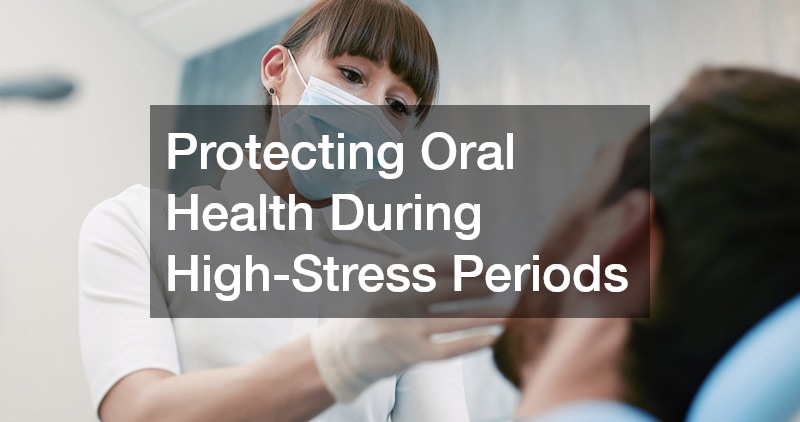
Oral health is often one of the first things neglected during stressful life changes. Missed appointments, increased sugar consumption, jaw clenching, and teeth grinding are common when emotional load is high. Unfortunately, ignoring dental care can create new problems that add to stress rather than relieve it.
Staying connected to a dental office—even if visits are less frequent—helps prevent minor issues from becoming major disruptions. Preventive care during stressful periods is often more important than cosmetic goals.
Stress-related oral health issues often include:
- Bruxism (teeth grinding), especially at night
- Jaw tension and headaches
- Gum inflammation linked to immune suppression
- Cracked or worn enamel from chronic clenching
For people navigating long transitions, discreet options like Invisalign may feel more manageable than traditional treatments, particularly when schedules are unpredictable. The key is choosing approaches that fit your current capacity rather than adding pressure.
Simple daily habits also make a difference:
- Use a night guard if you grind your teeth
- Pair brushing with an existing routine to improve consistency
- Stay hydrated to support saliva production
- Practice jaw relaxation exercises before bed
Oral health is closely tied to overall wellness—and maintaining it can prevent unnecessary pain during already challenging times.
Making Long-Term Health Decisions Without Feeling Overwhelmed
Big health decisions often coincide with major life changes, which can make them feel far more overwhelming than they would under normal circumstances. Emotional strain, lack of sleep, and competing responsibilities reduce your ability to process complex information, weigh tradeoffs, and imagine long-term outcomes clearly. In this state, people often swing between two extremes: postponing care indefinitely because it feels like too much, or making rushed decisions simply to get the problem “off the plate.” Both responses are understandable, but neither consistently leads to the best outcomes.
Procedures like dental implants or teeth straightening are not just cosmetic choices; they influence how you eat, speak, and feel about yourself on a daily basis. Oral health affects digestion, facial structure, and even posture over time, while changes in appearance can significantly impact confidence during already vulnerable periods. Because these decisions carry both physical and emotional consequences, making them while under stress requires a slower, more intentional approach than usual.
Rather than asking, “What’s the best option overall?” it can be more productive to reframe the decision in ways that account for your current capacity and circumstances:
- What option fits my current capacity, financially, emotionally, and physically?
- What decision is likely to reduce future stress rather than adding ongoing maintenance, appointments, or recovery demands?
- What aspects of care can be safely postponed without creating bigger problems later, and what truly needs to be addressed now?
This reframing helps shift the focus from perfection to sustainability. The “best” decision is not always the most comprehensive or aggressive one; it’s often the one you can follow through on without overwhelming yourself.
Several practical strategies can make complex health decisions more manageable during high-stress periods:
- Gathering information in short sessions rather than all at once helps prevent mental overload and improves retention.
- Writing down questions before appointments ensures that important concerns don’t get lost when emotions or time pressure take over.
- Asking providers to clearly explain timelines, recovery expectations, and maintenance requirements helps you realistically assess how a decision will fit into your life.
- Giving yourself explicit permission to pause before committing reduces pressure and allows your nervous system time to settle before making long-term choices.
When health decisions align with your emotional readiness, physical capacity, and current life demands, they are far less likely to become sources of regret or ongoing stress. Thoughtful pacing and self-awareness allow care decisions to support healing rather than becoming another burden during an already challenging transition.
Rebuilding Confidence After Visible or Physical Changes
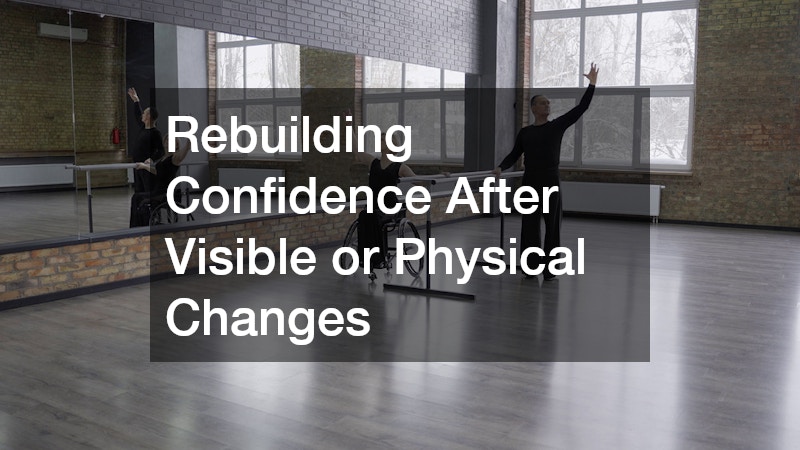
Major life changes often come with visible shifts—weight changes, hair loss, posture changes, or signs of aging accelerated by stress. These changes can quietly erode confidence and affect how you show up socially and professionally.
Hair loss, in particular, can feel deeply personal. For some people, exploring a hair restoration service is about reclaiming a sense of normalcy rather than pursuing vanity. Feeling comfortable in your appearance can significantly impact mental health, especially during periods when other parts of life feel unstable.
At the same time, confidence recovery isn’t just about external changes. It also involves rebuilding trust in your body and identity.
Helpful practices include:
- Wearing clothing that prioritizes comfort and self-expression
- Avoiding constant comparison during vulnerable periods
- Engaging in movement that feels restorative, not punishing
- Speaking to yourself as you would to someone in recovery
Confidence doesn’t return all at once. It rebuilds gradually as you learn to relate to yourself with patience rather than criticism.
Supporting Mental Health During Relationship Transitions
Relationship changes—especially separation or divorce—are among the most stressful experiences a person can face. Beyond emotional pain, they often disrupt sleep, appetite, immune function, and focus. Many people underestimate the physical toll of prolonged relational stress.
One overlooked factor is how legal uncertainty compounds emotional strain. Working with a divorce attorney who communicates clearly and sets realistic expectations can reduce mental overload, allowing you to focus more energy on healing.
To support mental and physical health during this period:
- Establish clear routines to anchor your day
- Limit exposure to conflict-driven communication
- Prioritize sleep even when emotions feel overwhelming
- Seek counseling or support groups to process grief safely
It’s also important to recognize that productivity may temporarily decline—and that’s okay. Healing during relational transitions is not linear, and pushing yourself too hard can delay recovery.
Managing Health While Facing Financial Uncertainty
Financial stress activates the same physiological stress responses as physical danger. When uncertainty persists, cortisol levels stay elevated, increasing the risk of anxiety, depression, digestive issues, and weakened immunity.
Avoidance often makes things worse. Gaining clarity—even when the news is difficult—can significantly reduce mental strain. Consulting with a bankruptcy law firm, for example, may provide structure and options that reduce the constant background stress of not knowing what comes next.
While navigating financial instability, protect your health by:
- Maintaining regular meals, even if simple
- Avoiding excessive caffeine or alcohol as a coping mechanism
- Setting boundaries around financial discussions to prevent burnout
- Continuing basic medical and mental health care when possible
Financial recovery and health recovery are deeply intertwined. Supporting one often makes the other more manageable.
Creating Peace of Mind Through Future Planning
Uncertainty about the future can weigh heavily during periods of change, especially when health concerns, aging, or shifting family dynamics are involved. When outcomes feel unclear, the mind often fills in the gaps with worst-case scenarios, increasing anxiety and making it difficult to stay present. Planning ahead doesn’t eliminate uncertainty, but it does create structure, which the nervous system interprets as safety. Clarifying intentions and responsibilities can significantly reduce the mental load that comes from constantly worrying about “what if” situations.
Working with estate planning lawyers can help people feel more secure about their wishes by turning abstract concerns into concrete plans. Knowing that legal documents are in place—such as directives around medical decisions, asset distribution, or guardianship—can ease persistent background anxiety. This sense of preparedness often carries over into daily life, contributing to improved mental calm, fewer intrusive thoughts, and better sleep, especially during times when health or family stability feels fragile.
Future planning does not need to be an all-or-nothing process. In fact, breaking it into manageable steps often makes it far more sustainable and emotionally tolerable:
- Start with one document or decision at a time to avoid feeling overwhelmed
- Focus on values rather than perfection, recognizing that plans can evolve as life changes
- Revisit plans periodically to adjust for new circumstances, health changes, or family needs
- Use planning as a way to reduce mental clutter, freeing up cognitive space for healing and day-to-day living
Approaching the future with intention rather than avoidance can be deeply grounding. Peace of mind is not about predicting everything or controlling every outcome—it’s about knowing you’ve taken reasonable, thoughtful steps to protect yourself and the people you care about, even in the midst of uncertainty.
Major life changes test resilience in ways that aren’t always visible. By supporting both physical and mental health through practical routines, informed decisions, and appropriate support, it’s possible to move through transitions with greater stability and self-compassion. Progress may feel slow at times, but every small step toward balance helps rebuild strength for whatever comes next.