

In today’s fast-paced world, maintaining a healthy lifestyle requires more than just going to the gym or following a diet. Modern health and fitness practices are evolving to incorporate technology, convenience, and holistic approaches to wellness. People are increasingly seeking ways to combine physical activity, preventive care, and recovery strategies into a sustainable routine.
From wearable fitness devices to telemedicine consultations, digital tools are empowering individuals to take control of their health in ways that were unimaginable just a decade ago. These innovations allow people to monitor progress, address health concerns promptly, and access expert guidance without the limitations of location or time.
The role of technology extends beyond fitness tracking. It provides opportunities for more accessible healthcare, personalized exercise programs, and preventive strategies that reduce long-term risks. By integrating these tools with traditional in-person care, individuals can create a comprehensive wellness plan that supports both their physical and mental health.
This article explores practical strategies for incorporating modern tools, digital solutions, and professional guidance into your health and fitness routine. From optimizing workouts to ensuring preventive healthcare, these tips aim to help you build a sustainable and effective approach to overall wellness.
Maximizing Accessibility for Your Health Needs

Staying on top of health appointments can be a challenge, especially for busy professionals or those managing multiple responsibilities. Creating a structured plan for scheduling check-ups, consultations, and preventive screenings ensures that health needs are met consistently.
Virtual care has emerged as a critical solution for improving accessibility. Through video consultations, patients can communicate with medical professionals from the comfort of their homes, saving time and reducing the need for travel. This convenience is particularly valuable for routine check-ins, follow-ups, and discussions about lifestyle or fitness plans.
Tips for maximizing accessibility with virtual care:
- Schedule recurring virtual check-ins with primary care providers.
- Keep a shared calendar with reminders for upcoming appointments.
- Use secure platforms that allow easy access to lab results and health records.
- Combine virtual care with in-person visits for procedures or assessments that require direct evaluation.
By leveraging virtual care, individuals can maintain a proactive approach to health, ensuring that potential issues are addressed promptly and efficiently.
Enhancing Eye Health While Staying Active
Eye health is often overlooked when focusing on overall fitness, yet it plays a crucial role in maintaining quality of life and supporting daily activities. Regular assessments help identify vision changes early, allowing for timely interventions.
An eye doctor can provide personalized recommendations for eye exercises, screen time management, and protective eyewear during workouts. Integrating these practices into your routine can reduce strain, improve visual focus, and enhance performance in both athletic and everyday activities.
Actionable steps for better eye health:
- Schedule annual eye exams to monitor vision changes.
- Perform regular eye exercises, such as focusing on distant objects during screen breaks.
- Ensure proper lighting when exercising indoors to reduce glare and strain.
- Wear protective eyewear for outdoor activities like running, cycling, or sports.
Taking proactive measures for eye health not only supports fitness performance but also enhances overall well-being by preventing long-term complications. By regularly scheduling eye exams and following the guidance of a qualified eye doctor, you can detect and address vision changes early, reducing the risk of conditions such as glaucoma, cataracts, or macular degeneration. Incorporating simple habits—like performing eye exercises, managing screen time, and using protective eyewear during physical activities—can minimize strain and improve visual clarity. Maintaining optimal vision also contributes to better coordination, balance, and reaction times during workouts, making exercise safer and more effective. Over time, these small, consistent actions create a foundation for long-term ocular health, supporting both everyday activities and an active lifestyle.
When to Seek Immediate Medical Support

Knowing when to seek immediate medical attention is essential for preventing minor issues from becoming serious health problems. Being aware of warning signs and having a clear plan can make a significant difference in outcomes.
A local urgent care facility provides timely access to medical evaluation for non-life-threatening conditions. These centers are ideal for situations like minor injuries, sudden pain, or unexpected illness that requires professional attention but does not necessitate a trip to the emergency room.
Guidelines for utilizing urgent care effectively:
- Recognize symptoms that require immediate attention, such as persistent chest pain, severe injury, or sudden dizziness.
- Keep a list of nearby urgent care locations for quick reference.
- Use virtual pre-screening tools when available to determine the urgency of care.
- Maintain up-to-date medical records for faster assessment at urgent care facilities.
By understanding when and how to use urgent care services, individuals can receive timely treatment while avoiding unnecessary delays or complications.
Supporting Pediatric Wellness and Fitness at Home
Children’s health and fitness require a unique approach that balances activity, nutrition, and preventive care. Creating safe, engaging routines at home encourages lifelong healthy habits.
A pediatric center can provide expert guidance on growth, development, and age-appropriate fitness activities. Regular check-ups ensure that children’s physical and mental health needs are addressed proactively, while virtual consultations can supplement in-person visits when necessary.
Practical tips for supporting pediatric wellness:
- Establish daily routines that include active play and structured exercise.
- Monitor screen time and encourage outdoor activities.
- Include balanced meals with adequate nutrients to support growth.
- Use virtual consultations for quick advice on minor health concerns or exercise modifications.
By combining guidance from pediatric specialists with at-home strategies, parents can help children develop healthy habits that last a lifetime. Regular check-ups at a pediatric center allow doctors to monitor growth, development, and overall health, ensuring that any concerns are addressed early. At the same time, parents can reinforce these lessons at home by encouraging daily physical activity, balanced nutrition, and adequate sleep. Creating fun, age-appropriate exercise routines—like family walks, bike rides, or interactive games—helps children associate movement with enjoyment rather than obligation. Additionally, involving children in meal planning or teaching them about portion sizes and healthy food choices fosters a sense of responsibility for their own health. Over time, the combination of professional guidance and consistent at-home practices empowers children to make informed, healthy decisions, laying the groundwork for lifelong wellness and an active lifestyle.
Making Healthcare More Accessible With Reliable Transportation
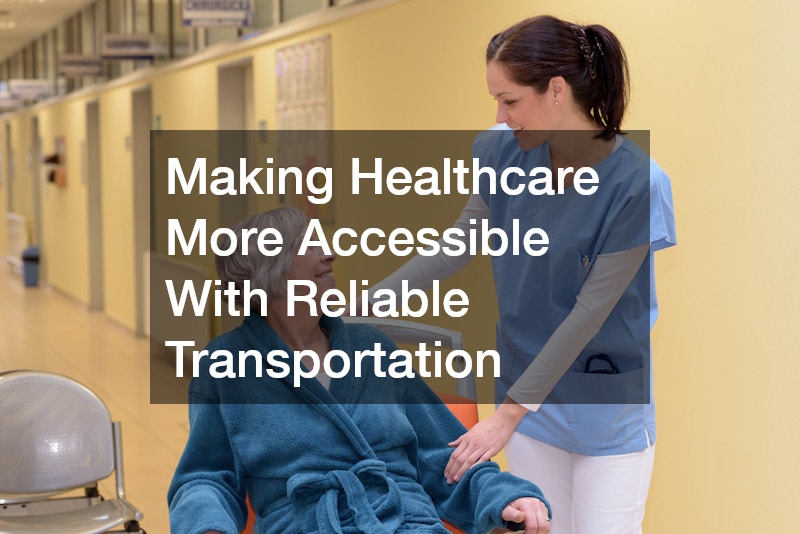
Even with advanced digital tools, some healthcare services require in-person visits. Ensuring access to these appointments can be challenging for individuals with mobility limitations, transportation constraints, or complex schedules.
A medical transportation service can simplify access to medical facilities, reducing missed appointments and stress associated with travel. These services are especially valuable for seniors, individuals with disabilities, or those recovering from procedures.
Tips for integrating transportation into your health routine:
- Schedule rides in advance to coordinate multiple appointments efficiently.
- Communicate specific needs to the transportation provider, such as mobility assistance.
- Combine transportation services with virtual check-ins to optimize time and reduce travel frequency.
- Use ride tracking apps to stay informed about arrival times and delays.
Reliable transportation ensures that healthcare remains accessible, supporting consistent treatment, preventive care, and overall wellness.
Incorporating Relaxation and Recovery Into Your Routine
Recovery is just as important as exercise when it comes to maintaining long-term health and fitness. Incorporating relaxation techniques and restorative practices can prevent injury, reduce stress, and improve performance.
Visiting a medical spa offers specialized treatments like massage therapy, hydrotherapy, and infrared sessions that complement regular fitness routines. These services can accelerate recovery, reduce muscle tension, and support overall well-being.
Actionable recovery tips:
- Schedule regular rest days to allow the body to repair and adapt.
- Use stretching routines, foam rolling, or yoga to improve flexibility.
- Consider medical spa treatments for targeted recovery and stress relief.
- Maintain hydration and proper nutrition to support tissue repair.
Prioritizing recovery alongside physical activity ensures sustainable progress and enhances overall quality of life. Recovery allows the body to repair muscles, restore energy levels, and reduce the risk of injury, which is essential for maintaining consistent performance over time. Incorporating strategies such as rest days, stretching, foam rolling, and mindfulness techniques helps the body adapt to the physical demands of workouts while also supporting mental well-being. Treatments offered at medical spas, like massage therapy, hydrotherapy, or infrared sessions, can further accelerate healing and relieve tension. Proper nutrition and hydration during recovery periods also play a critical role in muscle repair and overall health. By treating recovery as an integral part of a fitness routine rather than an afterthought, individuals can sustain long-term improvements, prevent burnout, and enjoy a higher quality of life both inside and outside of exercise.
Customizing Your Exercise Plan for Maximum Results

Personalized exercise routines increase the effectiveness of workouts and reduce the risk of injury. Tailoring your fitness plan to individual goals, abilities, and limitations is key to long-term success.
A fitness trainer can help design programs that target specific goals, such as strength, endurance, or weight management. Trainers also provide guidance on proper technique, progression, and modifications to accommodate injuries or limitations.
Steps for customizing your exercise plan:
- Set clear, measurable fitness goals.
- Evaluate current fitness level and identify areas for improvement.
- Incorporate a mix of cardiovascular, strength, and flexibility training.
- Consult a trainer regularly to adjust your routine and maintain motivation.
Personalized exercise plans, guided by a professional, ensure that each session contributes effectively to overall fitness and health objectives.
Addressing Pain and Mobility Challenges
Managing discomfort and maintaining mobility are essential components of staying active and independent. Addressing pain early can prevent chronic issues and improve overall function.
For those experiencing joint discomfort, joint pain relief strategies can be integrated into daily routines. These may include targeted exercises, supportive equipment, and lifestyle modifications to reduce stress on affected areas.
Practical tips for joint pain relief:
- Perform low-impact exercises such as swimming, cycling, or yoga.
- Use supportive footwear and ergonomic equipment during workouts.
- Apply heat or cold therapy to alleviate inflammation and stiffness.
- Consult with medical professionals for tailored interventions when necessary.
By proactively addressing pain and mobility challenges, individuals can maintain active lifestyles and reduce the risk of further complications. Taking early steps—such as incorporating gentle exercises, using supportive equipment, and seeking professional guidance—helps prevent minor discomfort from turning into chronic issues.
Aligning Spinal Health With Fitness Goals
Spinal alignment is critical for overall mobility, posture, and injury prevention. Maintaining a strong and properly aligned spine supports effective workouts and daily activities.
A chiropractor can provide evaluations, adjustments, and exercises to optimize spinal health. Regular consultations, whether in-person or via telehealth, can help prevent chronic back pain and improve overall function.
Tips for supporting spinal health:
- Incorporate core-strengthening exercises to support the spine.
- Maintain proper posture during daily activities and workouts.
- Schedule periodic chiropractic check-ins for alignment assessment.
- Use ergonomic furniture and equipment to reduce strain.
Focusing on spinal health ensures that physical activity is safe, effective, and sustainable over the long term.
Ensuring Comprehensive Vision Care During Workouts
Maintaining optimal vision is crucial for both performance and safety during physical activity. Eye strain, glare, or impaired vision can impact workouts and daily tasks.
Regular visits to an optometrist provide comprehensive assessments and personalized guidance. Tele-optometry options also offer convenient check-ins, particularly for monitoring progress or minor vision concerns.
Actionable tips for eye care in fitness routines:
- Wear sunglasses or protective eyewear during outdoor workouts.
- Adjust screen brightness and position during virtual exercise sessions.
- Schedule routine eye exams to monitor vision changes.
- Follow optometrist-recommended exercises or strategies to reduce strain.
Prioritizing eye care enhances both fitness performance and overall quality of life by ensuring clear, comfortable vision.
Integrating modern tools, professional guidance, and preventive strategies into health and fitness routines provides a comprehensive approach to wellness. From personalized exercise plans to proactive medical care, balancing in-person and digital resources ensures both convenience and effectiveness.
By incorporating recovery strategies, addressing mobility challenges, and maintaining preventive healthcare, individuals can achieve sustainable results and long-term well-being. Small, consistent steps—whether through structured workouts, regular check-ups, or telehealth consultations—can lead to meaningful improvements in physical and mental health.
Building a holistic approach to wellness requires planning, commitment, and adaptability. By embracing the opportunities offered by technology, healthcare professionals, and fitness experts, you can create a lifestyle that supports both current needs and future health goals.